
Blessing Health System has expanded access to advanced diagnostic imaging in the region with the addition of a new PET/CT imaging system featuring the GE HealthCare Omni Legend PET/CT scanner, one of the most advanced imaging systems available today.
The public is invited to see the new PET/CT technology at Blessing Hospital on Tuesday, November 17, between 4 and 6 pm, beginning with a ribbon cutting followed by tours of the new area. Please use the main entrance located at 11th & Spring.
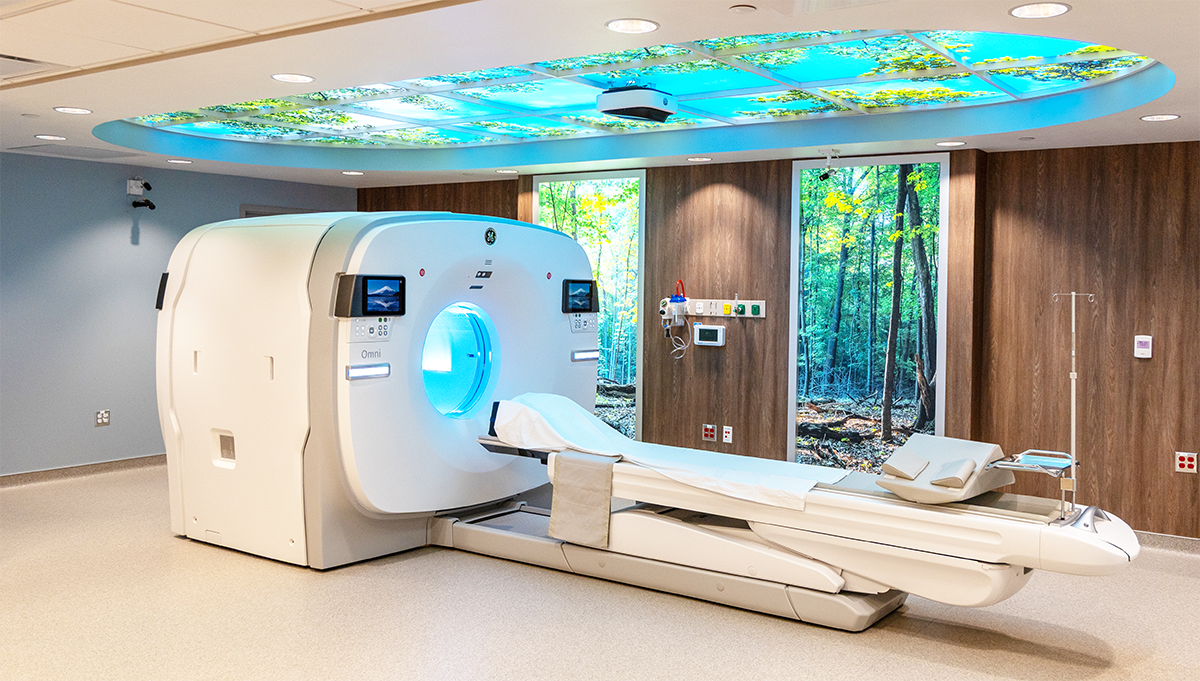
The new technology allows physicians to see detailed images of how organs and tissues are functioning, helping detect and monitor conditions such as cancer, neurological disorders, and heart disease. The scanner’s advanced design captures more information during each scan, improving efficiency and helping many patients spend less time undergoing imaging.
For residents throughout west-central Illinois, northeast Missouri, and southeast Iowa, the addition is especially significant. Some advanced PET imaging services currently require patients to travel up to two hours to larger metropolitan areas. Blessing’s new PET/CT program brings those services closer to home, reducing travel burden for patients and families while improving access to specialized care.
The new facility was designed with patient comfort in mind, featuring illuminated nature scenes, calming artwork, and an illuminated scanner opening that creates a brighter, more welcoming environment. Patients also have access to private “uptake rooms” where they can relax in comfortable recliners before their scans.
In addition to enhancing the patient experience, the system uses artificial intelligence to assist technologists with patient positioning, helping improve consistency and efficiency during the imaging process while supporting staff safety.
Blessing’s PET/CT program currently offers imaging for whole-body, skull-to-thigh, and brain studies, as well as imaging for prostate cancer evaluation. Future plans include expanding services to include imaging for neuroendocrine tumors, amyloid brain imaging, and cardiac PET imaging, providing even more advanced diagnostic options for patients in the region.