
Three Blessing Health System nurses had their research published nationally in the May issue of Nursing Management: The Journal of Excellence in Nursing Leadership.
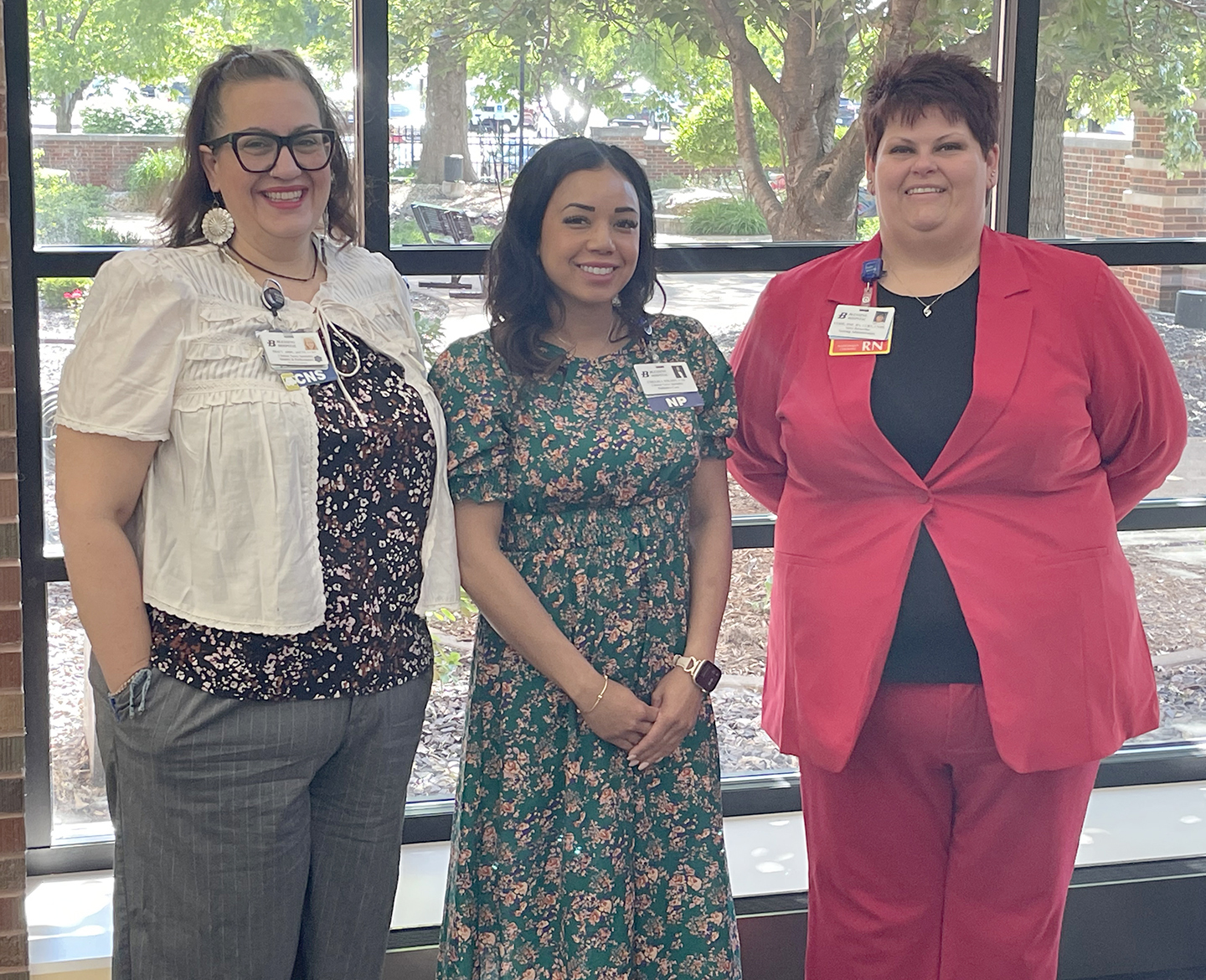
The research titled, “Nurse and Provider Perceptions of Palliative Care”, was conducted by Eydie Tipton, DNP, RN, CCRN, CNML, EBP-CH, nurse researcher; Tracy Viers, MSN, APRN, AC-AGCNS, ACHPN; critical care clinical nurse specialist; and Chelsea Wilson, MSN, APRN, AGCNS-BC, palliative care clinical nurse specialist.
The purpose of the research was to examine nurse and healthcare provider knowledge and attitudes toward palliative care, and identify potential barriers that may contribute to inconsistent or delayed referrals.
Palliative care helps people living with a chronic illness at any stage better manage their symptoms and improve their quality of life. The Blessing nurses stated in their research article that, “Despite growing evidence that palliative care improves outcomes and reduces costs, many hospitalized patients with serious illness still die without receiving it.”
“Palliative care is a vital and holistic specialty service within medicine; however, there are many barriers that keep patients from this service, and we wanted to understand why,” said Tracy Viers.
The nurses’ research included a survey of local nurses and providers. It determined that knowledge of palliative care was widespread, and cited barriers in daily practice as contributors to inconsistent referrals to palliative care.
“Early integration of palliative care can enhance quality of life, improve symptom management, and provide meaningful support to patients and families before a crisis occurs,” said Chelsea Wilson. “Rather than delaying these services until late in the care process, we should strive to introduce palliative care proactively as part of comprehensive chronic disease management."
The research provided specific organizational strategies nurse leaders could implement to create an environment that would encourage use of palliative care to improve patient outcomes, reduce unnecessary use of healthcare resources, and promote goal-based care.
“If this work helps even a few organizations rethink their approach and expand access to palliative care, it will have made a meaningful impact,” concluded Eydie Tipton.